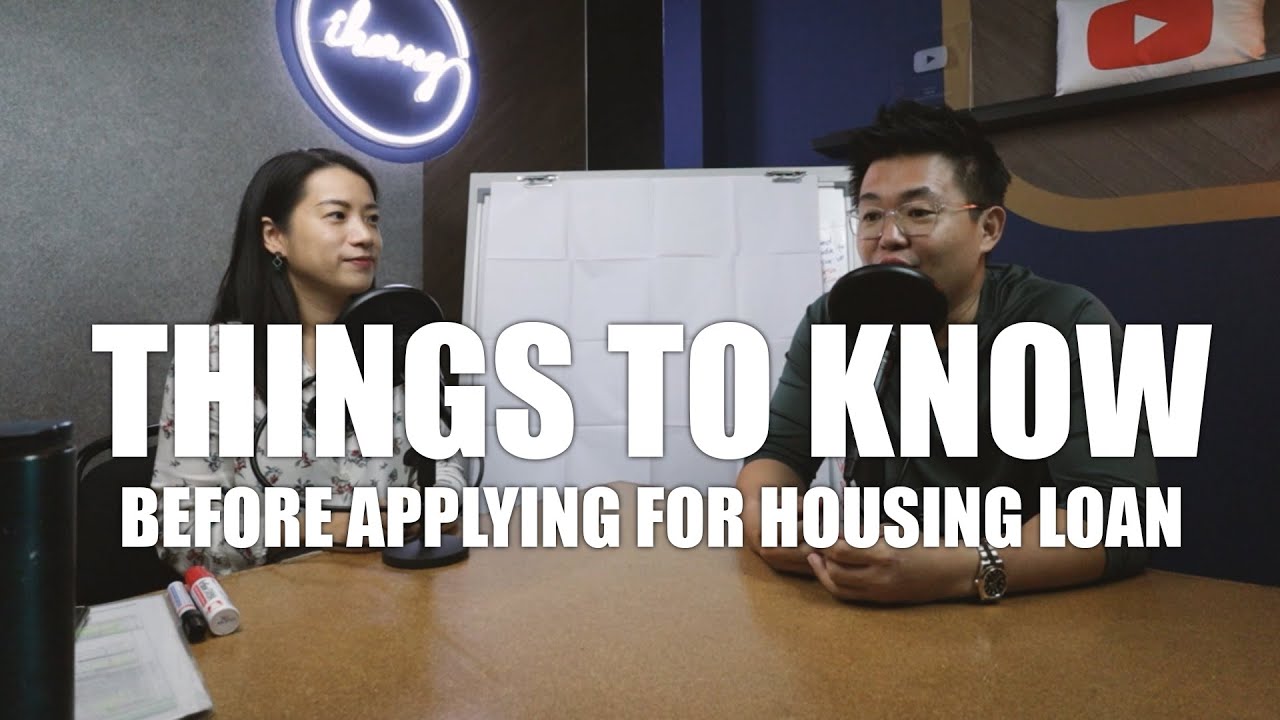
A rejection doesn't only cost you the property; it stays on record and makes the next bank cautious. In the third episode of his mortgage series, Sean asks Rena Choong which problems most often get a housing loan turned down.
What are the most common reasons banks reject a housing loan, and how do you avoid them?
“Please don't submit, wait until you fully settle it.”
Rena Choong, head of mortgage at FAR Capital, in conversation with Sean
Most rejections are predictable: a DSR over the limit, recent arrears in CCRIS, a restructured loan, or a legal or AKPK record. Fix what you can and wait for a clean record before applying, because each rejection is visible to the next bank.
Why
Recent arrears mean an upfront no
One month late is usually acceptable, but two or three months of arrears in CCRIS is treated as an upfront rejection. Settle in full and wait until the latest six months show zeros; late credit card payments are easier to explain than housing loan arrears.
Restructuring is worse than refinancing
Restructuring or rescheduling, stretching a loan because you can't keep up, signals distress and often leads to rejection. Refinancing to draw cash from a property's built-up equity is different, and a government-backed moratorium doesn't mark CCRIS, though applying to the same bank that granted it is awkward.
Legal records block even eligible buyers
Summonses and court cases, including against a company you direct, trade references such as unpaid phone or instalment bills above about RM300, AKPK and bankruptcy lead to rejection however good your income. A PTPTN arrears flag is lighter: settle the overdue amount, get the settlement letter, and you can apply within a month or two.
Every application leaves a mark
CCRIS shows pending applications, and banks notice when others have turned you down, so submitting to five or six banks at once looks bad. Rena suggests two or three at most.
What to do
- Check your DSR, loan eligibility and CCRIS before you apply.
- Clear any arrears and wait for clean months before submitting.
- Apply to two or three banks, not every panel bank at once.
- If your DSR is borderline, pay down credit card balances, which count at 5% of what you owe, before applying.
- If you have little credit history, use one credit card lightly and pay it in full each month, rather than collecting several cards.
Editorial Note: Summarised from Sean Tan's full episode with Rena Choong. The answer is theirs, not Sean's; the quote is in their own words and the rest is our paraphrase. This is general information, not legal advice for your situation. Figures reflect the recording date, so check current rates and rules before acting on them.
COMMON REASONS FOR LOAN REJECTIONS (EP 3)
Sources & Verification Data
Summarised from Sean's full English captions for episode 3 of his mortgage series with Rena Choong, FAR Capital's head of mortgage (September 2022). The quoted answer is Rena's own words; everything else is paraphrased. Bank practices are as described in 2022 and change over time. Sean is a customer of FAR Capital, not its owner.