From An anonymous viewer who wrote in by email
The reader is 26, works for a multinational in Johor and takes home about RM9,500 a month. He already owns a PJ serviced apartment whose RM2,200 rent nearly covers its RM2,300 instalment, plus RM150,000 in US stocks and RM50,000 in spare cash. He has shortlisted Bangsar South for its rental demand and compared units on tenure, age, size, furnishing, distance to the LRT and price per square foot.
Is "location, location, location" still the rule? Should he pay more for a newer project or buy an older subsale, and could he fund it with a 36-month interest-free credit card plan?
“That's just a very cool way to say things in a lazy manner.”
Location matters less than people think. Most KL areas will end up with the same amenities, so your profit is decided by your entry price: buy below the area's median price.
Why
Entry price decides profit, not the postcode
In time, every KL location gets a mall, schools, a hospital and parks. What separates a good buy is paying below the local median. Sean would rather buy in Rawang at RM480 per sq ft where the median is RM600 than in KL Sentral at RM800 where the median is RM700.
High rent follows temporary demand
Strong rents come from people posted somewhere for two or three years, so job hubs such as Mont Kiara, KL Sentral, KLCC and Bangsar South do well, with Cheras, Subang and Bukit Jalil rising. In purely residential areas, long-term residents would rather buy than pay rent above an instalment, so yields are lower.
New costs more but ages better
Malaysian building and strata rules mean an old apartment's layout cannot be changed. Newer projects have brighter rooms, better ventilation and corridors, so they tend to appreciate more, while older ones usually yield more. Decide which you are buying for.
A subsale starts earning sooner
With cash on hand, a completed subsale lets you negotiate on price and collect rent within about nine months of signing. A new launch ties up one of your loan slots for three to four years before it earns anything.
What to do
- Check every shortlisted unit's price per sq ft against the area median, and only buy below it.
- Decide whether you want rental yield or capital growth before choosing between an older subsale and a newer project.
- Skip the interest-free credit card plan if you can pay cash. Sean would take the safe route rather than leave no room for error.
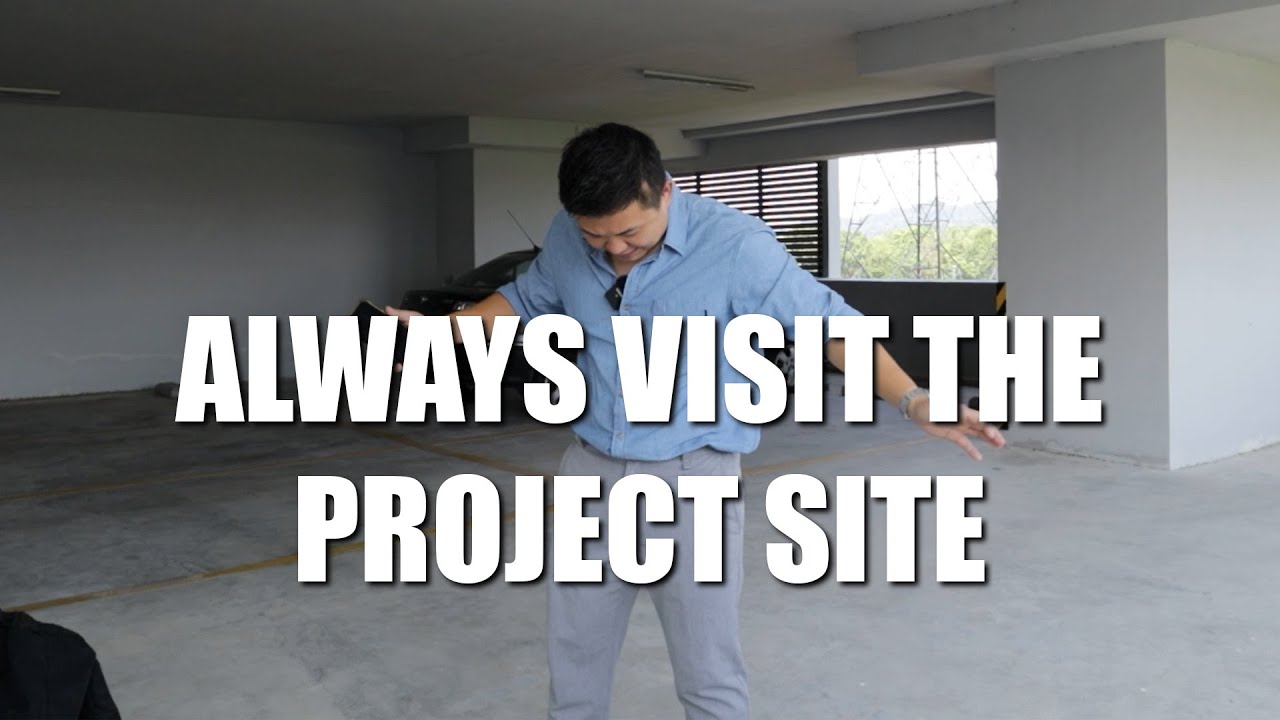
- Visit the buildings in person; a spreadsheet cannot show you what a project is really like.
- Avoid low-cost flats bought purely for yield. Sean will not buy social housing meant for people in need.
Editorial Note: Summarised from Sean Tan's full episode. The quoted answer is in his own words; the rest is our paraphrase. Figures reflect the recording date, so check current rates and rules before acting on them.
ASKING SEAN #239 | "LOCATION LOCATION LOCATION" STILL VALID?
Sources & Verification Data
Summarised from Sean's full English captions for Asking Sean #239. The quoted answer is verbatim; everything else is paraphrased. Prices per square foot are Sean's illustrations from February 2024. Sean is a paying member of FAR Capital, not its owner.